SEO vs AEO vs GEO: What Actually Changes When AI Answers First
SEO vs AEO vs GEO without the hype: what Google says, what changes in ChatGPT and AI Overviews, a 4-layer stack, and how to measure each one.
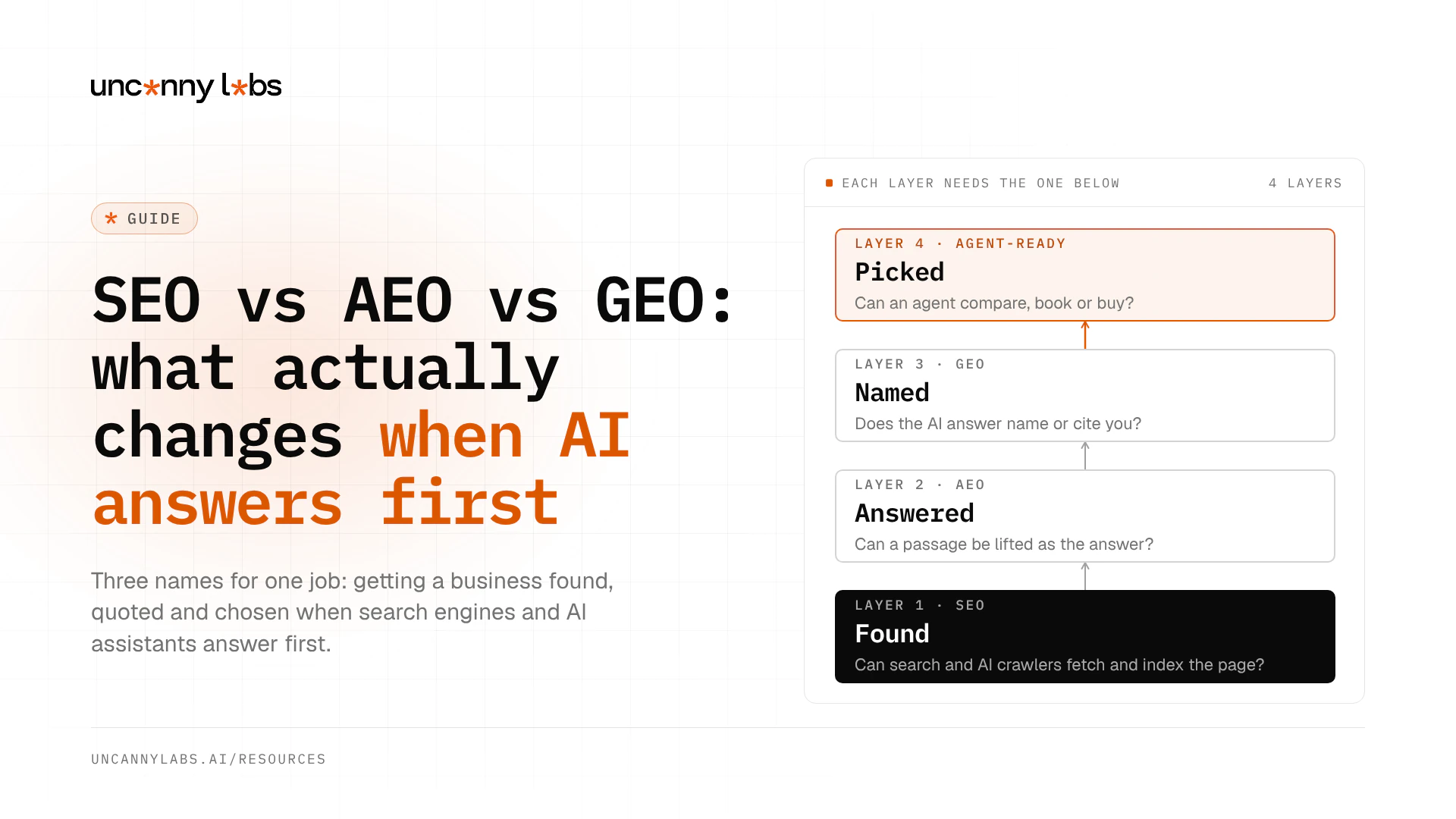
Three names for one job: getting a business found, quoted and chosen when search engines and AI assistants answer first.
SEO gets your page found, AEO gets it lifted out as the answer, and GEO gets your brand named inside an AI-written answer. Google's own guide says that for Google Search, all of this is still SEO. So the work is one stack, not three budgets. The catch: Google is not the only place your buyers ask, and being mentioned is not the same as being chosen.
This guide is for founders and marketing leads at B2B and local service businesses being pitched "GEO services" who want to know what is real and what to do first.
Key takeaways
- SEO, AEO and GEO chase different outcomes (a ranking, an extracted answer, a named brand) on one foundation: pages that can be crawled, indexed and read.
- Google says optimizing for its AI features "is optimizing for the search experience, and thus still SEO", and that you can ignore chunking, llms.txt and inauthentic mentions (Google Search Central).
- "Still SEO" is true for Google. ChatGPT, Perplexity and Claude run their own crawlers (OpenAI, Perplexity, Anthropic), and a firewall can shut them out while Googlebot gets in.
- Cited, named and picked are three separate wins. An AI can name you and still lose the sale on a broken link.
- Measure each layer separately: Search Console's Generative AI report, Bing's AI Performance report, and prompt checks for whether you are named.
What do SEO, AEO and GEO mean?
SEO (search engine optimization) gets pages crawled, indexed and ranked in search results. AEO (answer engine optimization) gets a passage lifted out as the direct answer, in a featured snippet, an AI Overview or a voice reply. GEO (generative engine optimization) gets your brand named or cited inside an answer written by an AI model such as ChatGPT, Perplexity, Claude or Google's AI Mode. Each builds on the one before.
SEO: get indexed and ranked
Google describes Search in three stages: crawling, indexing and serving. SEO gets your pages through all three for the queries buyers type.
AEO: get extracted as the answer
AEO targets the answer shown before the links. Google's featured snippets reverse the normal result and show the text first, including inside "People Also Ask". AI Overviews and voice assistants also lift a passage to the top.
GEO: get named inside a generated answer
GEO targets answers an AI writes from several sources. The question shifts from "do we rank?" to "does the answer mention, link to or recommend us?" More in what is AI visibility.
Other names you will hear
- AIO, LLMO and "AI SEO": mostly synonyms for GEO.
- AI visibility: the umbrella term for whether AI systems can reach, quote and name you. See what is AI visibility.
SEO vs AEO vs GEO: the side-by-side comparison
SEO, AEO and GEO differ in where you show up and how success is counted. SEO wins a position in the links, AEO wins the passage shown as the answer, and GEO wins a mention or citation in an AI-written response. All three need the same crawlable, readable page.
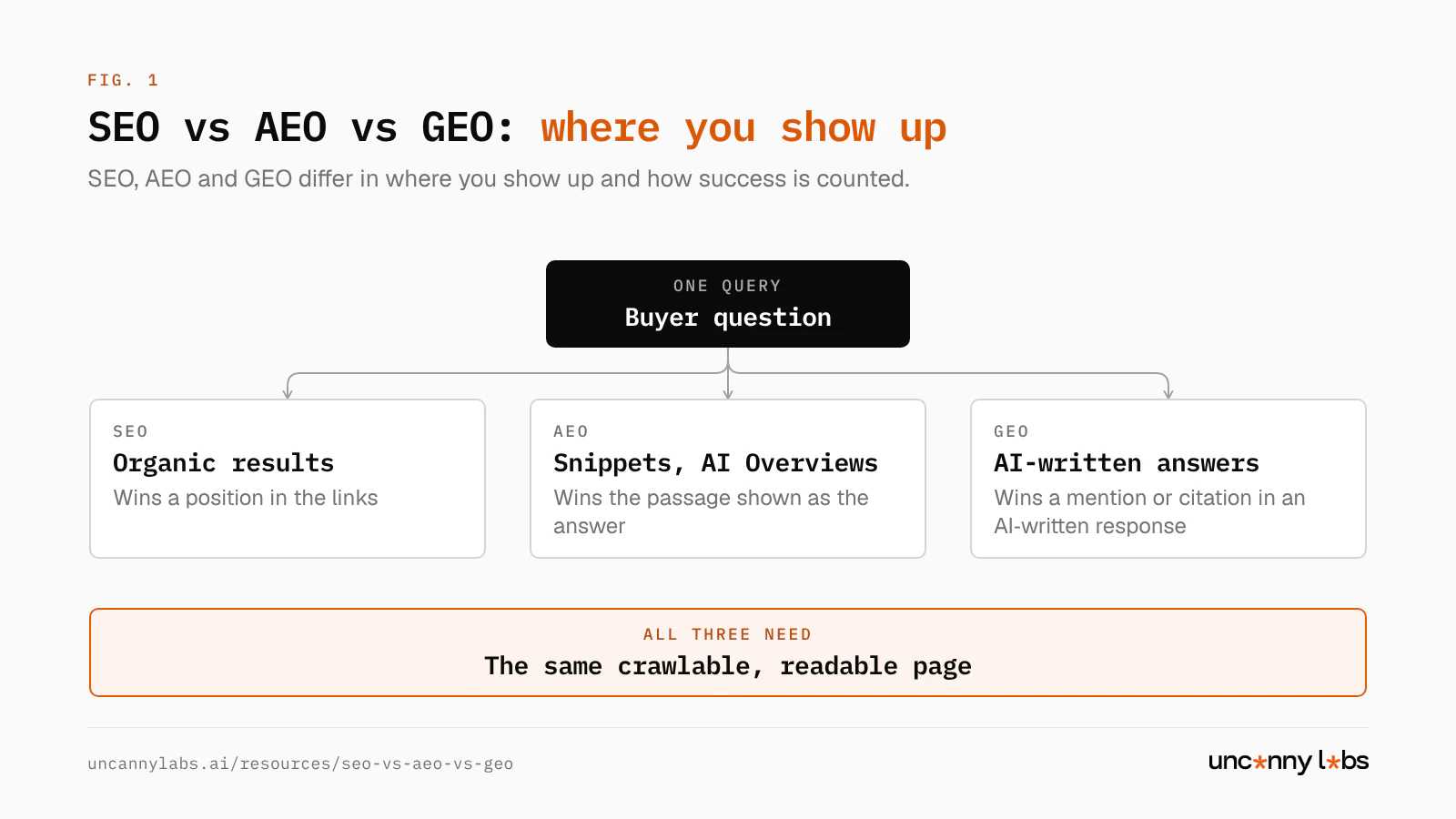
Fig. 1. SEO vs AEO vs GEO: where you show up.
Table 1. SEO vs AEO vs GEO at a glance
| Row | SEO | AEO | GEO |
|---|---|---|---|
| Goal | Rank a page for a query | Have a passage shown as the answer | Have your brand named or cited in a generated answer |
| Where you show up | Organic results | Featured snippets, People Also Ask, AI Overviews, voice replies | ChatGPT, Perplexity, Claude, Copilot, Google AI Mode |
| Unit of success | A position and a click | An extracted passage | A mention, citation or recommendation |
| Who decides | The search engine's ranking systems | The engine's answer and AI features, built on its ranking systems (Google) | Each AI provider's own crawler, index and model |
| Main levers | Crawlability, relevance, links, page experience | Question headings, answer-first paragraphs | SEO and AEO, plus AI crawler access and what other sites say |
| What nobody can promise | A ranking: Google says indexing and serving "aren't guaranteed" | A snippet or AI Overview slot | A citation or a mention |
What does Google say about AEO and GEO?
Google's answer is short: for Google Search, AEO and GEO are SEO. Its guide to optimizing for generative AI features, published in May 2026 with a section on "mythbusting common 'AEO/GEO' misconceptions", says AI Overviews and AI Mode are "rooted in our core Search ranking and quality systems".
What Google says, in its own words
"From Google Search's perspective, optimizing for generative AI search is optimizing for the search experience, and thus still SEO."
Source: Optimizing your website for generative AI features on Google Search, Google Search Central.
The AI features pick sources through retrieval-augmented generation (grounding), which pulls pages from the Search index, and "query fan-out", where the model runs related searches. Google's AI features and your website adds that "there are no additional requirements to appear in AI Overviews or AI Mode": a page has to be indexed and eligible for a snippet.
Google's guide also lists tactics you can ignore, such as llms.txt and "chunking" (see myths), and warns about tools: "No third-party tool has access to our internal ranking or AI systems." For the Google-specific playbook, see how to rank in AI Overviews.
Are AEO and GEO just SEO?
For Google, yes. Everywhere else, not quite. "It's still SEO" is true for Google. Your buyers also ask ChatGPT, and ChatGPT isn't Google. Each AI provider runs its own crawler, index and model, and none is bound by Google's guide.
Three gaps sit outside Google's statement.
1. Other engines need their own access. Allowing Googlebot lets no one else in. OpenAI says sites that opt out of OAI-SearchBot "will not be shown in ChatGPT search answers". Perplexity publishes firewall rules for letting PerplexityBot through Cloudflare and AWS. Table 3 below lists each provider's bots.
2. Firewalls now sort bots by what they do. Cloudflare classifies AI bots by behavior: Search, Agent and Training. In July 2025 it announced it was changing its default to block AI crawlers. So a site can allow every bot in robots.txt and still turn AI search crawlers away at the network edge, even when Googlebot gets through. See robots.txt and AI bot access.
3. Other engines publish different advice. Google says it can process JavaScript content as long as it isn't blocked, and documents how Googlebot renders pages. The OpenAI, Perplexity and Anthropic crawler pages say nothing about JavaScript, so script-only content is a bet outside Google. Microsoft's Copilot guidance also differs from Google on format: it says assistants "break content down" into smaller pieces, can lift Q&A pairs "word for word", and may not render content hidden in tabs.
None of this contradicts Google. "Still SEO" is a statement about one engine. Do SEO properly, then check that every engine your buyers use can reach and quote your answer.
The 4-layer AI visibility stack: Found, Answered, Named, Picked
The 4-layer AI visibility stack puts SEO, AEO, GEO and the agent layer in one sequence: Found (SEO), Answered (AEO), Named (GEO) and Picked (agent-ready). Each layer asks one question, from "can crawlers fetch the page?" to "can an AI agent book or buy?", and each depends on the one below it.
Table 2. The 4-layer AI visibility stack
| Layer | Discipline | Question it answers | What you control | What you don't | Pass test |
|---|---|---|---|---|---|
| 1. Found | SEO | Can search and AI crawlers fetch and index the page? | robots.txt, firewall, HTML text | Whether an engine indexes it | Retrieval bots allowed in robots.txt and firewall; content in HTML |
| 2. Answered | AEO | Can a passage be lifted as the answer? | Headings, answer-first paragraphs | Which passage gets picked | Question-shaped H2s, each with a self-contained answer |
| 3. Named | GEO | Does the AI answer name or cite you? | Your pages, listings, reputation | What other sites say | Prompt checks across engines, scored named vs cited |
| 4. Picked | Agent-ready | Can an agent compare, book or buy? | Forms, checkout, prices in text | How agents behave | An agent can finish the main task |
Layer 1: Found (SEO)
Nothing above works without it. Google lists "crawling is allowed in robots.txt, and by any CDN or hosting infrastructure" among the fundamentals. Do the same for OAI-SearchBot, PerplexityBot and Claude-SearchBot.
Layer 2: Answered (AEO)
A heading that matches the buyer's question, followed by a plain answer with real numbers, is easy to lift. Google asks for people-first content, and its AI guide suggests organizing pages "by paragraphs and sections, along with headings", not reformatting them for machines.
Layer 3: Named (GEO)
The AI writes this answer partly from what others say about you. Real reviews, accurate listings and citable pages influence it. You can't buy it. See named vs cited.
Layer 4: Picked (agent-ready)
Agents act for people, "such as booking a reservation", and Google's guide tells site owners to explore agentic experiences. Agents read a site through screenshots, raw HTML and the accessibility tree, per Google's web.dev team, so real buttons and links beat styled divs. Protocols such as the Universal Commerce Protocol aim to let agents buy directly; treat them as early. More in agent-ready vs AI visibility.
What actually changes with AI search?
Four things change when AI answers first: the answer arrives before the click, each AI engine needs its own crawler access, retrieval decides which pages are considered, and brands get named partly from what other sites say. The result: more systems must agree before a buyer sees your name.
The answer arrives before the click
Google reports over 2.5 billion monthly active users for AI Overviews and over one billion for AI Mode, and says clicks from pages with AI Overviews are "higher quality". Clicks are no longer the only score: an answer that names you matters even when nobody clicks.
Every AI engine has its own crawler
AI providers split bots by job: search, training, and fetches a user asks for. Blocking a training bot is a business choice. Blocking a search bot cuts you out of that engine's answers.
Table 3. AI search crawlers and what blocking them does
| Provider | Search crawler | Training crawler | User-triggered fetcher | What blocking the search crawler does |
|---|---|---|---|---|
| OpenAI | OAI-SearchBot | GPTBot | ChatGPT-User | Site "will not be shown in ChatGPT search answers" (OpenAI) |
| Perplexity | PerplexityBot | None named; PerplexityBot isn't used for training | Perplexity-User | Perplexity recommends allowing it "to ensure your site appears in search results" (Perplexity) |
| Anthropic | Claude-SearchBot | ClaudeBot | Claude-User | "May reduce your site's visibility and accuracy in user search results" (Anthropic) |
| Googlebot | Google-Extended (controls use in some other Google AI systems) | n/a | Googlebot rules are the control for Search, including AI features (Google) |
OpenAI says robots.txt changes take about 24 hours to apply. Google also offers a Search Console toggle to opt out of its generative AI features; sites that do "will not receive traffic or impressions" from them.
Retrieval decides more than page tweaks
An AI must retrieve you before it can quote you. With query fan-out, Google's example question "how to fix a lawn that's full of weeds" also triggers searches like "best herbicides for lawns". Pages answering related questions get more chances, but a page per variation made to manipulate AI responses breaks Google's scaled content abuse policy. See get retrieved by fan-out.
Brands get named from what other sites say
Google says its AI features "can show what's being said about products and services across the web, including in blogs, videos, and forum discussions". Bing suggests local businesses keep address, hours and contact details current in Bing Places so they stay "eligible for inclusion in AI-generated responses".
Cited, named or picked: which one did you win?
Getting cited, getting named and getting picked are three separate wins. An AI can use your page as a source without ever saying your brand's name. It can also recommend you by name and still lose the sale if the booking link is broken or the form won't load. Getting cited is a footnote. Getting named is a shortlist. Getting picked is revenue.
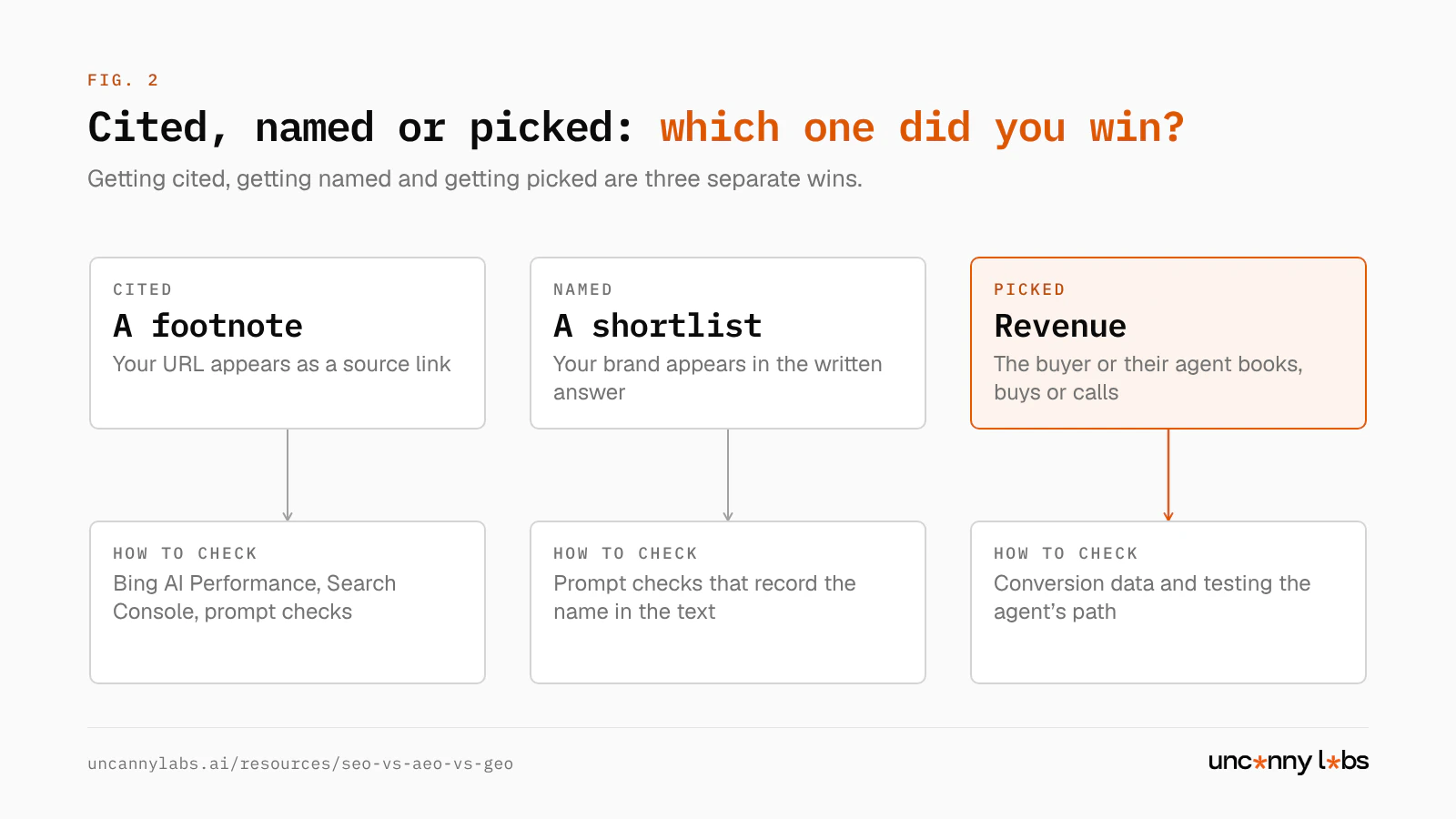
Fig. 2. Cited, named or picked: which one did you win?
Table 4. Three different wins
| Win | What it looks like | What it's worth | How to check |
|---|---|---|---|
| Cited | Your URL appears as a source link | A footnote: the engine read the page | Bing AI Performance, Search Console, prompt checks |
| Named | Your brand appears in the written answer | A place on the shortlist | Prompt checks that record the name in the text |
| Picked | The buyer or their agent books, buys or calls | Revenue | Conversion data and testing the agent's path |
Most reports stop at row one. Bing's AI Performance report counts citations, cited pages and grounding queries. Google's report counts impressions of your links in AI Overviews and AI Mode. Neither says whether the answer used your name, or whether anyone could act on it. See how to tell named from cited.
What still loses the buyer after an AI cites or names you
Each happens after the "GEO" work is done:
- Missing or confusing names. The answer links to your page but never says your brand name, or uses an old or misspelled one.
- Wrong facts in the answer. An old price, wrong opening hours, a discontinued product, or a service you no longer offer.
- Dead ends after the click. A broken link, a moved page, or an out-of-stock product.
- Things an AI agent can't get through. A script-only form, a sign-in or captcha in the way, a checkout that won't load, or prices hidden behind clicks. Anthropic, for one, says its crawlers "will not attempt to bypass CAPTCHAs".
- Nothing to compare. No clear prices, reviews, return policy or delivery details, so the AI recommends a rival that spells them out.
- Inconsistent listings. Your website, Google Maps and directories show different names, addresses or phone numbers. Google asks businesses to represent themselves "as it's consistently represented and recognized in the real world".
- No clear next step. The page answers the question but never says how to buy, book or get in touch.
The fixes are unglamorous: correct facts, working links, forms that load. That is the Picked layer, where the money is.
Which AEO and GEO myths can you skip?
Skip anything that promises AI visibility through a file, a format trick, a score or bought mentions. Google says llms.txt, chunking, special schema and inauthentic mentions don't help in Google Search, and no engine publishes a "GEO score" for your site.
Myth 1: llms.txt gets you into AI answers. Google Search ignores it: it "will neither harm nor help". None of the AI crawler pages cited here lists it as a requirement. See llms.txt explained.
Myth 2: you must chunk pages for AI. Google says there is no such requirement and no ideal page length.
Myth 3: a 0 to 100 "GEO score" tells you where you stand. Google says no third-party tool has access to its internal systems. No AI engine publishes a score for your site, so any single number from an outside tool is that tool's own estimate, not a reading from the engine. Check each layer separately.
Myth 4: bought mentions get you named. Google lists inauthentic mentions among the things to ignore: its AI features depend on both its quality systems and the systems that enforce its spam policies.
Myth 5: special schema gets you into AI answers. Google says no special schema.org markup exists for its AI features.
What should you do first?
Start at the bottom of the stack and work up: access, then answers, then naming, then the path to purchase. Opening the door to AI crawlers and fixing broken buyer paths beats any AI-specific tactic.
- Confirm access (Found). Check robots.txt and firewall rules for Googlebot, OAI-SearchBot, PerplexityBot and Claude-SearchBot. Treat training bots (GPTBot, ClaudeBot, Google-Extended) as a separate decision.
- Put key content in HTML (Found). Prices, services, locations and answers belong in text, not only in images, PDFs or script-rendered widgets.
- Write one page per real buyer question (Answered). Use the questions your sales team hears, with a direct answer under each heading.
- Fix your facts everywhere (Named). Same name, address, phone, hours and prices on your site, Google Business Profile, Bing Places and key directories.
- Earn real mentions (Named). Reviews, partner pages and press from actual customers and experts. No bought accounts.
- Walk the path to purchase (Picked). Click every "book" and "buy" button, submit every form, and remove the dead ends listed above.
How do you measure SEO, AEO and GEO together?
Measure each layer with the tool built for it; no single number covers all four. Search Console covers Google rankings and AI feature impressions, Bing Webmaster Tools covers Copilot citations, analytics covers AI referrals, prompt checks show whether engines name you, and logs confirm crawler access.
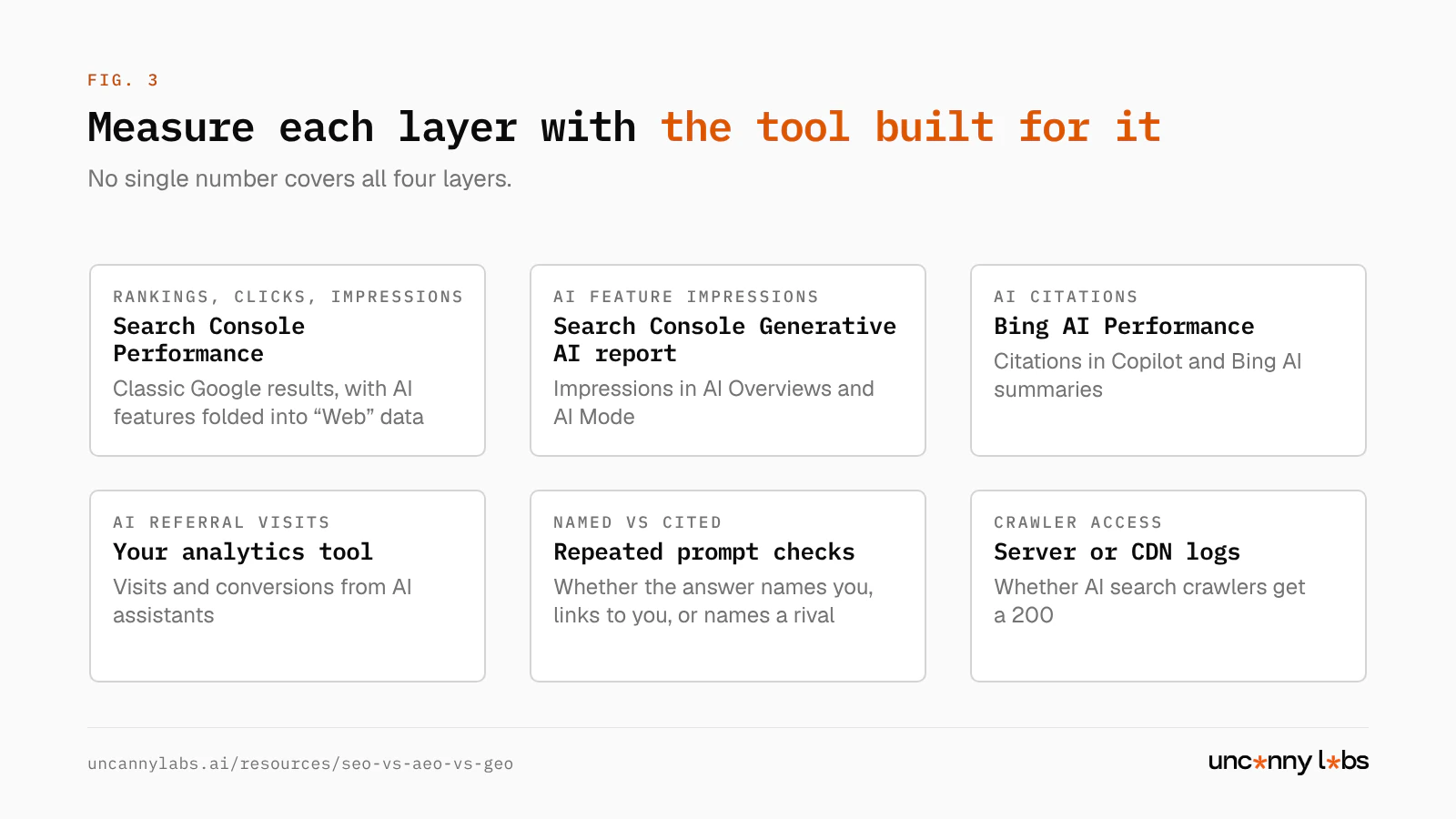
Fig. 3. Measure each layer with the tool built for it.
Table 5. The measurement scoreboard
| Metric | Tool | What it shows | Limit |
|---|---|---|---|
| Rankings, clicks, impressions | Search Console Performance report | Classic Google results, with AI features folded into "Web" data (Google) | Doesn't separate AI features |
| AI feature impressions | Search Console Generative AI performance report | Impressions in AI Overviews and AI Mode by page, country, device and date; live for all sites since August 31, 2026 | Impressions only; no brand-named data |
| AI citations | Bing Webmaster Tools AI Performance | Citations in Copilot and Bing AI summaries, cited pages, grounding queries | Microsoft surfaces and select partners; public preview |
| AI referral visits | Your analytics tool | Visits and conversions from AI assistants; Google suggests tracking conversions and time on site | Only counts visits that click through |
| Named vs cited | Repeated prompt checks across engines | Whether the answer names you, links to you, or names a rival | A sample, not a full picture |
| Crawler access | Server or CDN logs | Whether AI search crawlers get a 200 | Access, not inclusion |
For setup details, see the Search Console Generative AI report and how to measure AI traffic.
FAQ
Quick answers to common buyer questions.
Is GEO or AEO replacing SEO?
No. Google says its AI features are rooted in its core ranking systems, and other AI engines still need to crawl and index your pages before they can quote them. AEO and GEO sit on top of SEO; they don't replace it.
Is SEO still relevant in 2026?
Yes. Google's 2026 guide asks that exact question and answers: "In short, yes!" A page that can't be crawled, indexed and read won't show up in blue links, AI Overviews or ChatGPT answers.
Is GEO just SEO? Is AEO part of GEO?
For Google Search, Google says yes. Outside Google, each AI engine has its own crawler and model, so GEO adds work such as allowing OAI-SearchBot through your firewall. AEO and GEO overlap: AEO focuses on the extracted answer, GEO on being named or cited in a generated one.
Is AI SEO the same as GEO?
Mostly, yes. "AI SEO", GEO, AIO and LLMO all describe showing up in answers written by AI. The label matters less than the layers underneath: found, answered, named and picked.
How do I optimize my website for AEO?
Write one clear page per real buyer question. Use the question as a heading, answer it first with specifics, and keep key facts in HTML text. Google's AI features also require the page to be indexed and snippet-eligible.
Do I need a separate GEO agency?
Not if your SEO partner covers the full stack. Ask whether they check AI crawler access in the firewall, measure named vs cited, and test whether an agent can complete a booking. A team selling only a GEO score or bought mentions is selling what Google tells you to ignore.
Does llms.txt or schema help with GEO?
Not in Google Search. Google ignores llms.txt and says there is no special schema for its AI features. Structured data that matches the visible page is still good practice, but neither replaces crawlable, well-answered pages.
Bottom line
SEO, AEO and GEO are one stack: Found, Answered, Named, Picked. Google is right that for Google Search, it's still SEO. But your buyers also ask ChatGPT, Perplexity and Claude, which run their own crawlers and can be shut out by a firewall rule. And cited, named and picked are three different wins: most reports stop at the first, while revenue sits in the last.
Do the SEO basics well. Then check, engine by engine, that the page answering your buyer's question can be reached, quoted, named and acted on.
Related resources
- Guide
What is AI visibility?
A plain definition of AI visibility, mapped to SEO, AEO and GEO, and how to judge any score you see.
- Guide
Named vs cited
Why AI answers can name your brand without citing your site, and how to check both.
- Guide
How to measure AI traffic
ChatGPT's UTM tag, a GA4 channel, Search Console and Bing, and what none of them can see.
- Article
The AgentReady spec
What the open AgentReady spec (v2.0) requires: find, read and act, and which practices apply to your site.